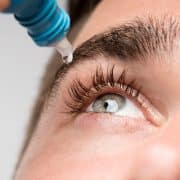

Why “Tear Quality” Is the New Metric For 2026 Eye Comfort

Advanced ocular surface management in Old Bridge has shifted focus from generic lubricating drops to sophisticated Tear-Quality Laboratory Testing for precise dry eye diagnosis. This clinical approach determines whether a patient has aqueous deficiency or evaporative lipid loss. Residents in East Brunswick and Sayreville now benefit from targeted treatments that address the underlying biological cause of irritation rather than merely masking the symptoms.

Our Tear-Lab diagnostics at the local vision hub utilize osmolarity testing to measure the salt concentration within your natural tears. High salt levels often indicate a breakdown in the protective lipid layer, leading to rapid evaporation and corneal inflammation. Dr. Jan and our clinical team utilize these data points to create a personalized Ocular Disease Rotation Honors protocol for every patient. This medical-first philosophy ensures that professionals in the Marlboro area receive long-term relief through biocompatible solutions. By stabilizing the tear film, we improve both daily comfort and the visual clarity required for intensive screen use.

Finally, I felt so relieved, understanding that my dry eyes were caused by a lipid deficiency changed everything. The laboratory testing provided a clear roadmap for treatment that actually worked after years of failed over-the-counter attempts.

Advanced Ocular Surface Diagnostics and Systemic Health

The integration of advanced imaging and tear chemistry analysis represents the 2026 standard for pre-symptomatic disease management. Evaporative dry eye is frequently linked to Meibomian Gland Dysfunction, a condition where the oil-producing glands in the eyelids become obstructed. Our Advanced Glaucoma Screening Suite often works in tandem with these surface checks to ensure a comprehensive assessment of both internal and external eye health. Because the eye is a window into systemic wellness, these detailed evaluations can also reveal early markers for inflammatory conditions. Maintaining a healthy ocular surface is a critical component of our medical-first commitment to the New Jersey community.

Common Questions About Tear-Quality Testing

Why isn’t regular use of eye drops enough to fix my dry eyes? Standard eye drops provide temporary relief but often fail to address the underlying chemical imbalance or gland blockage causing dryness.

Our laboratory testing allows us to see exactly which layer of your tear film is failing. Once we identify the root cause, we can recommend medical-grade treatments that help your eyes produce their own high-quality tears again. Most of our neighbors in Old Bridge find that they can significantly reduce their reliance on daily drops once we balance their tear chemistry.

Is the tear-testing process painful or invasive? Tear-Quality Laboratory Testing is a completely noninvasive procedure that involves collecting a microscopic tear sample using a specialized sensor.

The collection takes only a few seconds and requires no numbing drops or needles. You can relax in our comfortable clinical suite while the digital system analyzes your sample in real-time. We will go over the results with you immediately so you can better understand your eye health.

Can dry eye testing help improve my vision for driving or reading? A stable tear film is the first “lens” that light passes through, so improving tear quality directly enhances the sharpness and stability of your vision.

Many patients find that their vision fluctuates or blurs because their tears evaporate too quickly. By fixing the surface of the eye, we often help residents in the East Brunswick area see more clearly without having to blink constantly. We want to make sure your eyes feel as good as they see during your daily commute or evening reading.

Schedule Your Dry Eye Evaluation in Old Bridge

Are you tired of constant eye irritation and blurry vision? Visit our Dry Eye Center Page or contact our New Jersey office to schedule your comprehensive Tear-Quality Laboratory Test.

Serving the New Jersey Region: Old Bridge | East Brunswick | Sayreville | Marlboro

Can I Wear Contact Lenses With Dry Eye Syndrome?

Dry eye and contact lenses don’t always get along, but that doesn’t mean you have to choose one or the other. Many people with dry eyes in Elkridge, MD still wear contacts comfortably—it just takes the right type of lenses, good habits, and a little patience. The trick is learning what your eyes need and adjusting before the discomfort builds.

Why Dry Eyes and Contacts Clash

Dry eye happens when your eyes don’t make enough tears or when the tears you do have evaporate too fast. It leaves that scratchy, tired feeling that never quite goes away. When contact lenses sit on top of that dryness, they can pull even more moisture from the surface. It’s why some people feel fine in the morning but notice irritation creeping in by afternoon.

Air conditioning, screen time, or windy weather can make it worse. And while it’s tempting to ignore mild dryness, that habit often turns a small issue into a daily struggle. That’s when an optometrist can step in and help you choose lenses designed to work better with your eyes.

Finding Lenses That Help Instead of Hurt

Some contacts are simply better for dry eyes than others. Daily disposable lenses are often the easiest fix—they’re fresh each day, so there’s no buildup and less irritation. Silicone hydrogel lenses are another good option because they let more oxygen reach your cornea, helping your eyes stay clear and calm.

If dryness is more severe, scleral lenses can change everything. They’re larger and rest on the white of the eye, not the cornea itself. Between the lens and your eye sits a thin layer of fluid that keeps things hydrated all day. They take a bit of getting used to, but for many people, the comfort is worth it.

Keeping Comfort in Reach

Small habits matter more than most realize. Use preservative-free rewetting drops, blink often—especially when on screens—and stay hydrated. Take your contacts out when your eyes feel tired rather than pushing through. If irritation lingers or vision turns blurry, see your optometrist before it worsens.

Dry eye doesn’t mean the end of contact lenses. With the right fit, steady hydration, and follow-up care, most people find a balance. It’s not about perfect eyes—it’s about paying attention, making adjustments, and giving your eyes what they need to feel at ease again. Contact your Elkridge, MD optometrist for more information.

5 Ways to Manage Dry Eye This Winter

Dry eye can be annoying! Dry eye can cause discomfort and vision problems, leaving you feeling frustrated throughout the day. If you suffer from dry eye, you may need treatment from a trusted eye doctor in Elkridge, MD.

Dry eye is a condition that can affect people for different reasons, and some of those reasons come back to eye conditions that need treatment from a doctor. If you suffer from dry eye, here’s what you should know.

What Is Dry Eye? What Causes It?

Dry eye is a condition that occurs when your eyes don’t make enough tears, or the tears that your eyes make are poor quality. It’s an uncomfortable condition that can lead to a range of problems, so getting treatment is important.

Symptoms of Dry Eye

There are many symptoms of dry eye.

  • Blurry vision
  • Stinging and burning in the eyes
  • Scratchy feeling in the eyes
  • Eyes feel red and irritated
  • Wearing contact lenses is uncomfortable
  • Your eyes produce extra tears (to compensate)

Causes of Dry Eye

Dry eye can have many causes. Here are some common causes of dry eye:

  • Allergies
  • Some types of medications
  • Use of contact lenses
  • Smoke in the environment
  • Age
  • Certain health conditions

How Can You Manage Dry Eye?

There are many things you can do to manage dry eye. Winter is a time when dry eye is more common because the low humidity in the air causes tears to evaporate more quickly.

  1. Use eye drops. Over-the-counter eye drops can help keep your eyes lubricated.
  2. Manage allergy symptoms. If you suffer from allergies, work with an allergist to reduce your allergy symptoms.
  3. Avoid situations that dry your eyes. Winter outdoor activities like skiing and playing in the snow can lead to extra dry eyes.
  4. Wear sunglasses. If you are going to be outside, wear sunglasses to cut back glare and reduce exposure to cold wind.
  5. See the eye doctor. Some types of dry eye can be caused by health problems with the eyes. See your eye doctor for a diagnosis.

When Should You See An Eye Doctor for Dry Eye in Elkridge, MD?

Whether you have a condition that causes dry eye or you’re experiencing dry eye for another reason, getting dry eye treatment in Elkridge, MD, can help improve your quality of life. Call today to make an appointment.

Protecting Dry Eyes During the Winter Months

Winter can be especially tough on your eyes, particularly if you suffer from dry eye syndrome in Elkridge, MD. Cold temperatures, wind and even indoor heating can all contribute to making your already dry eyes feel more dry, irritated and uncomfortable than ever. Here are some things to keep in mind for protecting dry eyes during the winter months.

Cold, Dry Air

Cold outdoor air holds less moisture than warmer air, which can cause your eyes to lose hydration faster. The combination of low humidity and cold winds can quickly evaporate the natural tear film that protects your eyes, leaving them vulnerable to dryness and discomfort. Wear sunglasses or other protective eyewear, especially when doing fun outdoor activities like shoveling snow—just kidding—like sledding!

Indoor Heating

Indoor heating can strip moisture from the air, contributing to a dry environment inside your home or office that can makes things uncomfortable for you. Dry air—even inside—can exacerbate symptoms of dry eye, leading to itching, burning and a gritty sensation in the eyes. Try lowering the indoor temperature by a few degrees, and consider adding warmth with sweaters or a nice cup of Chamomile tea!

Use a Humidifier

A humidifier can help replenish the moisture in the air, making it easier to maintain hydration in your eyes. Keeping humidity levels in check can significantly reduce dry eye symptoms, and— bonus—it will reduce that unpleasant static electricity shock you get so often in winter when the air lacks moisture!

Protect Your Eyes from the Wind

Wearing wraparound sunglasses or goggles when you’re outside can shield your eyes from the wind, keeping them moist and comfortable. Note: This is also a good excuse to get out of doing outdoor winter chores!

Stay Hydrated

Drinking plenty of water is essential for maintaining your body’s hydration, including your eyes. Make sure you drink plenty of water each day to help your eyes produce enough natural tears to stay lubricated. Unfortunately, tea, coffee and hot toddys don’t count, since caffeine and alcohol are dehydrating.

Don’t ignore the symptoms of dry eyes if it becomes problematic. If dry eye persists, contact your Elkridge, MD optometrist for a consultation.
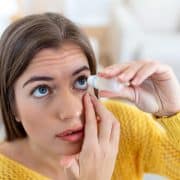
What Type of Dry Eye Do You Have?

Are you having issues with your eyes? If so, you might have dry eye. Your optometrist in Elkridge, MD, can perform a quick exam and make a diagnosis. Wouldn’t it be great to get your eyes back on track?

What Type of Dry Eye Do You Have?

There are three types of dry eye. Let’s take a look at them.

  • Aqueous Deficient Dry Eye – This is when your eyes don’t make enough tears.
  • Evaporative Dry Eye – This is when the tears in your eyes evaporate too quickly.
  • Mixed Dry Eye – This is when people have an aqueous tear deficiency and tear instability at the same time. Both of these lead to having dry eye symptoms.

Now, let’s talk about how your optometrist will determine if you have dry eye.

How Do Optometrists Test for Dry Eye?

Your optometrist will perform one or perhaps all of the following tests to determine if you have dry eye.

  • Slit Lamp Exam – This is the test that checks the amount of tears your eyes are producing.
  • Schirmer’s Test – This is a test that uses a thin piece of paper placed on the ledge of your eyelid. The paper is left in place for a few minutes. When finished, the paper will be examined to see how much of the paper was covered in tears within that amount of time.
  • Tear Breakup Time (TBUT) Test – This test tracks how long it takes for your tears to evaporate. Your optometrist will put a drop of dye into your eyes. A microscope is then used to see how long your tear film remains stable.

If it’s determined you have dry eye, your optometrist will develop a dry eye treatment in Elkridge, MD, for you.

Are You Looking for an Exceptional Optometrist in Elkridge, MD?

If you’ve noticed something’s not quite right with your eyes, please Contact Dr. Jan Eye Care today. We will take a look at your eyes and symptoms and provide you with a treatment that will help you get your eyes back on track.

Dangers of Untreated Dry Eye

Dry eye is a condition where, for one reason or another, the eyes don’t receive adequate moisture. When the eyes are open, they’re exposed to the air, which has a drying effect. It’s actually quite common, and millions of people around the world have dry eye syndrome. But while this may seem like a minor inconvenience, it’s actually dangerous not to have it treated. If you’ve been diagnosed with dry eye in Elkridge, MO, learn more about why you should seek treatment as soon as possible.

Negative Impact on Daily Life

Nearly unrelenting discomfort is one of the most common signs of dry eye syndrome. This is a terrible experience for the person, making it hard to focus, feeling like there’s sand or grit in the eyes, constantly squeezing the eyes really tight to try to get some relief; it makes ordinary life unnecessarily difficult. This discomfort makes it difficult or impossible to perform everyday tasks like reading, being on a computer or even watching TV. Over time, the chronic irritation can lead to a decrease in quality of life, and the person may begin avoiding activities that they once enjoyed. This could even lead to depression at not being able to fully partake in everything life has to offer.

Damage to the Surface of the Eyes

Worse, dry eye syndrome can damage the surface of the eyes, particularly the cornea. The constant dryness and lack of proper lubrication can lead to inflammation, small abrasions and even ulcers on the cornea. Left untreated, these issues can result in scarring, which can permanently affect vision. In severe cases, untreated dry eye can increase the risk of corneal thinning, perforation or even vision loss.

Early treatment is essential to avoid the inherent risks of dry eye syndrome. There are many treatments for dry eye syndrome available, so it makes sense to discuss the problem with your eye doctor in Elkridge, MD to come up with a treatment plan. If you have symptoms of dry eye syndrome, such as constant irritated eyes, redness, inflammation, gritty sensation, burning sensation or even pain, book an appointment with Dr. Jan Eye Care right away for a consultation and diagnosis. We look forward to seeing you!

4 Surprising Culprits of Dry Eyes

If you suffer from dry eyes in Elkridge, MD, you’re not alone. Millions of people worldwide suffer from this condition for various reasons. It may surprise you to know that dry eyes isn’t caused by just one reason. In fact, there can be different culprits, many of which might be unnoticed until pointed out. Here are four surprising culprits of dry eyes you might not know about.

1. Air Conditioning

Air conditioning works by removing water vapors from the air. This makes the air that you’re breathing much drier than it would be ordinarily. It also makes your eyes dry out faster. If you’re in air conditioning for long hours at work or at home or even in the car, this could be a contributor to your problem with dry eyes.

2. Not Blinking

People blink at varying rates. But did you know that when people are looking at screens—computer screens, phones, tablets, etc.—the number of times that they blink is greatly reduced? It’s not known why this phenomenon exists, but it’s true. And not blinking often leads to dry eyes. That’s because when you blink, your eyelid brings down moisture over the eyes. So if the frequency of blinking is reduced, that means the amount of moisture delivered to the eyes.

3. Contact Lenses

Your contact lenses might factor into your dry eyes, too. Modern contacts allow a good amount of oxygen into the eyes, but they also inhibit moisture. You might want to talk to your optometrist in Elkridge, MD about scleral lenses, which are specially made for persons who suffer from dry eyes.

4. Medications

Certain prescription medications cause a bit of dehydration in the body, and the eyes can be affected. If you recently started taking medications and now have dry eyes, read the side effects. Talk to your prescribing physician about changing to a more suitable medication, if necessary.

Dry eyes can be very bad for your long-term vision, and the condition shouldn’t be ignored. Contact your optometrist right away if you feel that you’ve developed this condition. We look forward to treating your dry eyes or any other eye health concern you may have.

Treatment Options for Dry Eye

Dry eye is a common condition that affects millions of people around the globe. It’s a condition that causes itching, redness, and an uncomfortable sensation, as though there’s a small particle in your eye that you can’t remove. Dry eye happens when there aren’t enough tears to keep the delicate tissues of your eye lubricated. This may be due to allergies, dehydration, side effects of medications, or more. Fortunately, your optometrist in Elkridge, MD, has simple solutions for treating dry eye.

Dry Eye Treatment

Once your optometrist has concluded your discomfort stems from dry eyes, they may make one of several recommendations, including:

  • Lubricating eye drops that can be purchased over the counter
  • Medicated eye drops that require a prescription
  • Punctal plugs in your tear ducts that prevent tears from draining away too quickly
  • Eyelid surgery to tighten the skin beneath your eyes
  • Medication changes

Your eye doctor may also recommend simple lifestyle changes that could improve your condition and alleviate your dry eyes. For instance, they may recommend that you cease smoking, drink more water, get more hours of sleep each night, adjust your home’s air conditioning, or begin using a humidifier at home. The amount of time you spend in front of a computer screen each day may also contribute to dry eyes.

When Dry Eye Is Caused by Ectropion

It’s rare that a patient will require surgery to treat dry eye. Usually, this is only necessary if the skin of your lower eyelid has begun to droop and turn outward. In this instance, your tears may drain away too quickly. The most common reason for this condition, called ectropion, is normal aging. Eyedrops and ointments may help, but this is usually when your eye doctor may recommend simple surgery to tighten the skin beneath the eye.

Dr. Jan Eye Care Treats Dry Eye in Elkridge, MD

If you’re struggling with eyes that are itchy, burning, red, and irritated, dry eye may be the cause. Schedule an appointment with Dr. Jan Eye Care for improvement of your symptoms. Our experienced team knows how to treat dry eye in Elkridge, MD, and we’re ready to schedule a convenient time for you to come in for a routine eye exam.

What Are the Signs and Symptoms of Dry Eye?

Are your eyes bothering you? If so, it might be time to see your optometrist in Elkridge, MD, for a diagnosis. You might have dry eye, or it might be something else. But whatever it is, you should take care of it immediately before it worsens.

What Causes Dry Eye?

Dry eye occurs when the tear film of your eyes isn’t working properly. Your eyes have three layers of tears that are designed to cover and protect your eyes. But when your tear film is disrupted, dry eye symptoms will ensue.

Any number of factors could prevent your eye’s tear film from malfunctioning. Some of the causes of dry eye include aging, hormonal disorders, certain medications, nerve damage, vitamin A deficiency, allergies, or an autoimmune disorder.

Identifying dry eye is the first step in knowing when to get treatment for dry eye in Elkridge, MD.

The Signs and Symptoms of Dry Eye

  • Scratchy, stinging, burning eyes
  • Light sensitivity
  • Red eyes
  • Stringy mucus in or around the eyes
  • Blurry eyes

Is It Possible to Prevent Dry Eyes?

Dry eye can sometimes be prevented by making a few lifestyle changes. For example, your optometrist in Elkridge, MD, might recommend you stop smoking or avoid second-hand smoke. They might also recommend you take allergy medication or change your current medications to ones that don’t result in dry eye.

You might be able to reduce your dry eye by staying hydrated, using an optometrist-recommended eye drop product, or increasing your daily amount of vitamin A. You might also find it helpful to switch to wearing eyeglasses instead of contacts, and you should always wear sunglasses while you’re outside.

Additionally, you might try using a humidifier indoors, spending less time on your digital devices, or working in front of a computer screen — taking frequent breaks away from your screen.

Try these dry eye prevention tips, and always talk with your optometrist about what would be best in your situation.

Do You Need an Optometrist in Elkridge, MD?

If you need an optometrist in Elkridge, MD, please Contact Dr. Jan Eye Care today! We have a comfortable, relaxing office and a kind, caring team with the training and experience to care for all your optometry needs.